
Narrow Passages Controlling Global Commerce
How a handful of maritime chokepoints determine the flow of oil, goods, and geopolitical power


On a typical day, roughly 21 million barrels of oil pass through a waterway just 21 miles wide at its narrowest point. The Strait of Hormuz, a relatively small body of water separating Iran from the Arabian Peninsula, handles approximately 21% of global petroleum liquids consumption. If this passage were to close, even temporarily, the impact on global energy markets would be immediate and severe.
But the Strait of Hormuz is just one of several maritime chokepoints that quietly control the infrastructure of global commerce. These narrow passages, some barely wider than a few dozen miles, others constricted by shallow depths or navigational hazards are where the abstract concept of globalization becomes intensely physical and vulnerable.
Nearly 80% of global trade by volume moves by sea. Container ships, oil tankers, bulk carriers, and specialized vessels form an enormous network of maritime commerce that connects manufacturers, suppliers, and consumers across continents. But this network depends on the ability to transit through a handful of critical passages. Control or closure of these chokepoints can reshape the global balance of power.
Throughout history, nations have fought wars over control of strategic waterways. Empires have risen and fallen based on their ability to protect or dominate maritime trade routes. Today, as geopolitical tensions increase and supply chains face new vulnerabilities, these chokepoints are becoming flashpoints once again.
Understanding where these passages are, why they matter, and who controls them helps explain everything from energy prices to military positioning to the strategic calculations driving some of the most important geopolitical tensions in the world today.
The Strait of Hormuz: The World’s Most Important Oil Transit Point
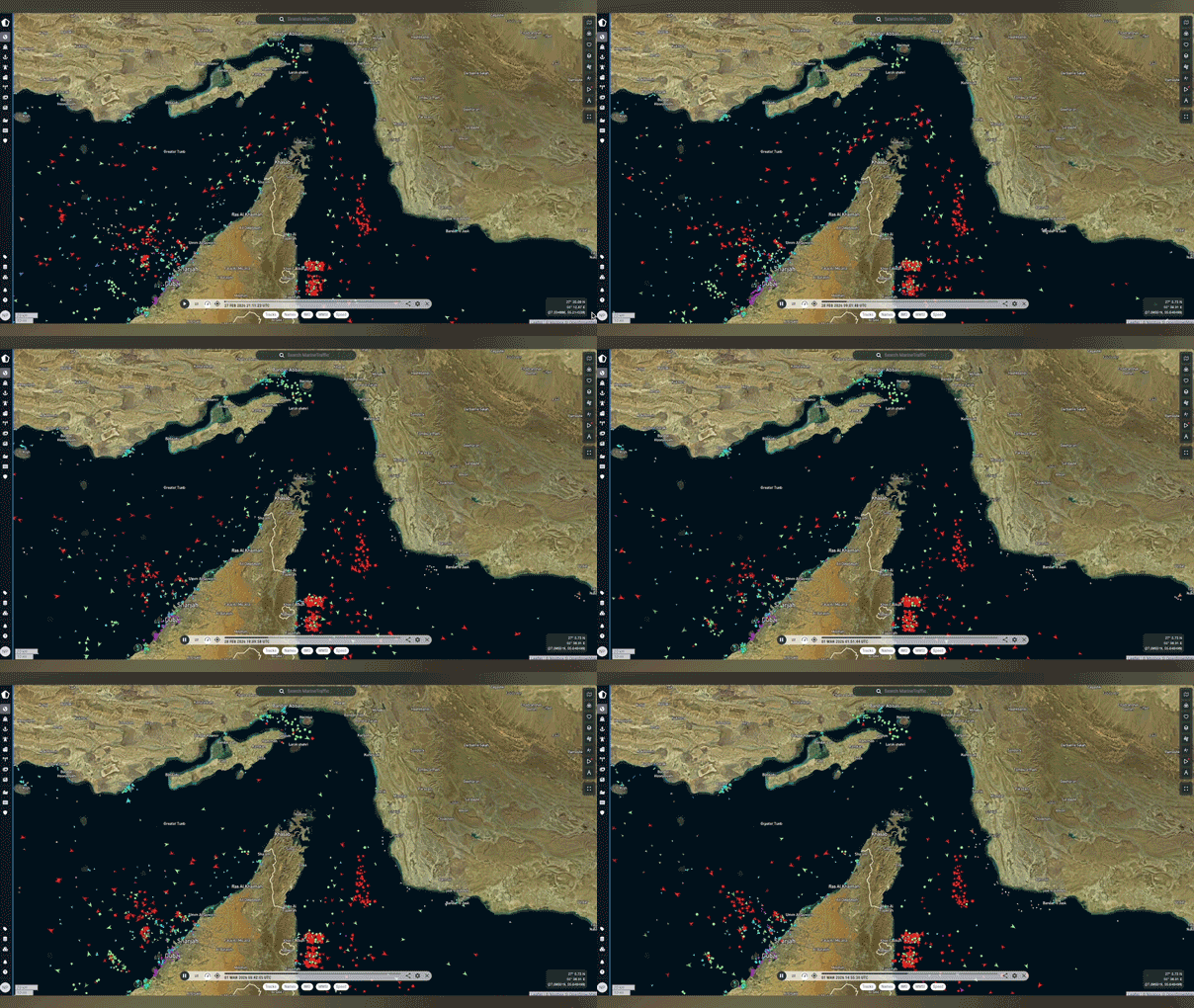
The Strait of Hormuz sits at the mouth of the Persian Gulf, connecting the oil-rich Gulf states to the Arabian Sea and the broader Indian Ocean. Its importance is difficult to overstate. The majority of oil exported from Saudi Arabia, Iraq, the United Arab Emirates, Kuwait, and Qatar must pass through this narrow waterway to reach global markets.
The strait’s geography makes it particularly vulnerable. At its narrowest point, it’s only 21 miles wide. The navigable channels for inbound and outbound shipping are just two miles wide each, separated by a two-mile buffer zone. Large tankers must pass through waters that are, in some places, only a few hundred feet from Iranian territory.
Iran has repeatedly threatened to close the strait during periods of tension with the United States and its allies. Such threats are not empty. Iran has the military capability to significantly disrupt shipping through mines, anti-ship missiles, small boat swarms, and coastal artillery. In 1988, during the Iran-Iraq War, both countries attacked tankers in what became known as the “Tanker War,” demonstrating how quickly the strait can become a combat zone.
The strategic calculus around Hormuz reveals a fundamental tension in global energy security. The world’s largest oil consumers - China, India, Japan, South Korea, and European nations, depend on oil that must transit through a waterway that Iran, a country frequently at odds with Western powers, can threaten. This dependence has shaped everything from military alliances to energy diversification strategies to the massive investments in alternative routes and energy sources.
The United States has maintained a significant naval presence in the region for decades, partly to ensure freedom of navigation through the strait. The Fifth Fleet, based in Bahrain, exists largely to keep this passage open. The strategic importance of Hormuz helps explain why the United States maintains such extensive military commitments in the Middle East even as its own energy independence has increased.
Any closure of the Strait of Hormuz, even temporary, would send oil prices soaring and disrupt global supply chains within days (as we saw recently during the Iran and US war). The lack of ready alternatives means that most Gulf oil has no other viable route to market. Pipelines exist to bypass the strait, but their capacity is far too limited to handle the volume of oil that normally transits through Hormuz.
The Strait of Malacca: Asia’s Critical Artery
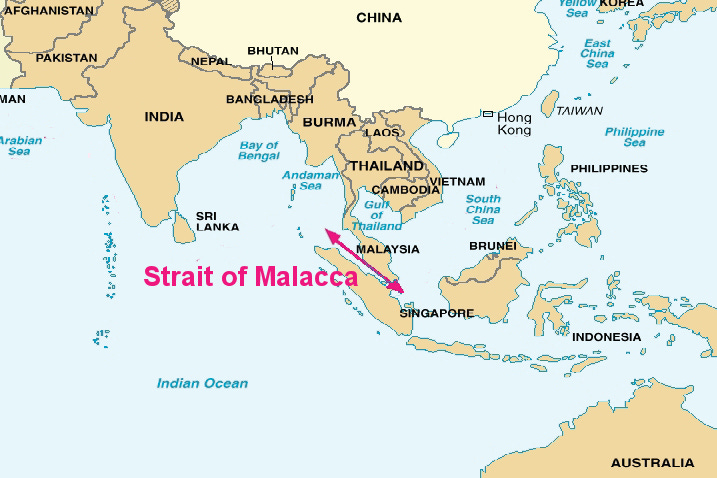
If the Strait of Hormuz is the world’s most important oil chokepoint, the Strait of Malacca is the world’s most important general shipping chokepoint. This narrow passage between the Indonesian island of Sumatra and the Malay Peninsula connects the Indian Ocean to the South China Sea and the Pacific Ocean beyond.
Roughly one-quarter of all traded goods pass through the Strait of Malacca each year. More than 80,000 vessels transit annually, making it one of the busiest waterways in the world. For China, Japan, South Korea, and other major Asian economies, the strait is essentially irreplaceable. The overwhelming majority of oil imports to East Asia flow through Malacca. Container ships carrying manufactured goods from Chinese factories to global markets pass through it. Raw materials heading to Asian manufacturing centers transit the same route.
The strait’s narrowest point, the Phillips Channel in the Singapore Strait, is just 1.5 miles wide. At its shallowest, the strait is only about 82 feet deep, which means the largest modern tankers and bulk carriers must sometimes wait for high tide to transit safely.
The geography creates vulnerability. China, in particular, has become acutely aware of what strategists call the “Malacca Dilemma.” Roughly 80% of China’s oil imports pass through the strait. If the passage were blocked - whether by military action, accident, or political decision, China’s economy would face immediate crisis. The country has limited alternatives. Ships could reroute around Indonesia through the Lombok or Sunda Straits, but these passages add thousands of miles and days to journey times, dramatically increasing costs.
This vulnerability has driven China’s strategic behavior in multiple ways. It helps explain China’s massive investments in overland pipelines from Central Asia and Russia, reducing dependence on seaborne oil. It’s part of the rationale behind China’s Belt and Road Initiative, which includes developing alternative trade routes. And it contributes to China’s aggressive assertion of territorial claims in the South China Sea and its efforts to build a blue-water navy capable of protecting its maritime interests far from Chinese shores.
The Malacca Dilemma also shapes relationships between China and the countries that border the strait - Singapore, Malaysia, and Indonesia. China has invested heavily in ports and infrastructure in these nations, seeking to build influence and ensure continued access.
Historically, control of the Strait of Malacca has been a source of power. The Srivijaya Empire dominated the strait from the 7th to 13th centuries, growing wealthy by controlling maritime trade between China and India. Later, European colonial powers fought for control of Malacca precisely because of its strategic position. Today, Singapore’s prosperity and outsized geopolitical influence derive partly from its location at the southern entrance to the strait.
The Suez Canal: The Shortcut That Reshaped Global Trade


Unlike the straits of Hormuz and Malacca, which are natural waterways, the Suez Canal is a human-made passage that fundamentally altered global trade patterns when it opened in 1869. Before Suez, ships traveling between Europe and Asia had to navigate around the southern tip of Africa, a journey that added weeks and thousands of miles to every voyage.
The canal’s impact was immediate and profound. Journey times between Europe and India fell by roughly half. Shipping costs dropped dramatically. The Mediterranean suddenly became the primary route for trade between Europe and Asia, shifting power away from Atlantic ports and toward those with access to the Mediterranean and Red Sea.
Today, roughly 12% of global trade passes through the Suez Canal. Approximately 50 ships transit daily, carrying everything from oil and liquified natural gas to manufactured goods and grain. For Europe, the canal is essential as the majority of goods moving between Europe and Asia flow through Suez.
The canal’s strategic importance has made it a flashpoint repeatedly throughout history. Britain occupied Egypt partly to secure control of Suez. The 1956 Suez Crisis erupted when Egyptian President Gamal Abdel Nasser nationalized the canal, prompting military intervention by Britain, France, and Israel. The crisis marked a turning point in the post-World War II order, demonstrating that even traditional European powers could no longer act unilaterally when opposed by both the United States and Soviet Union.
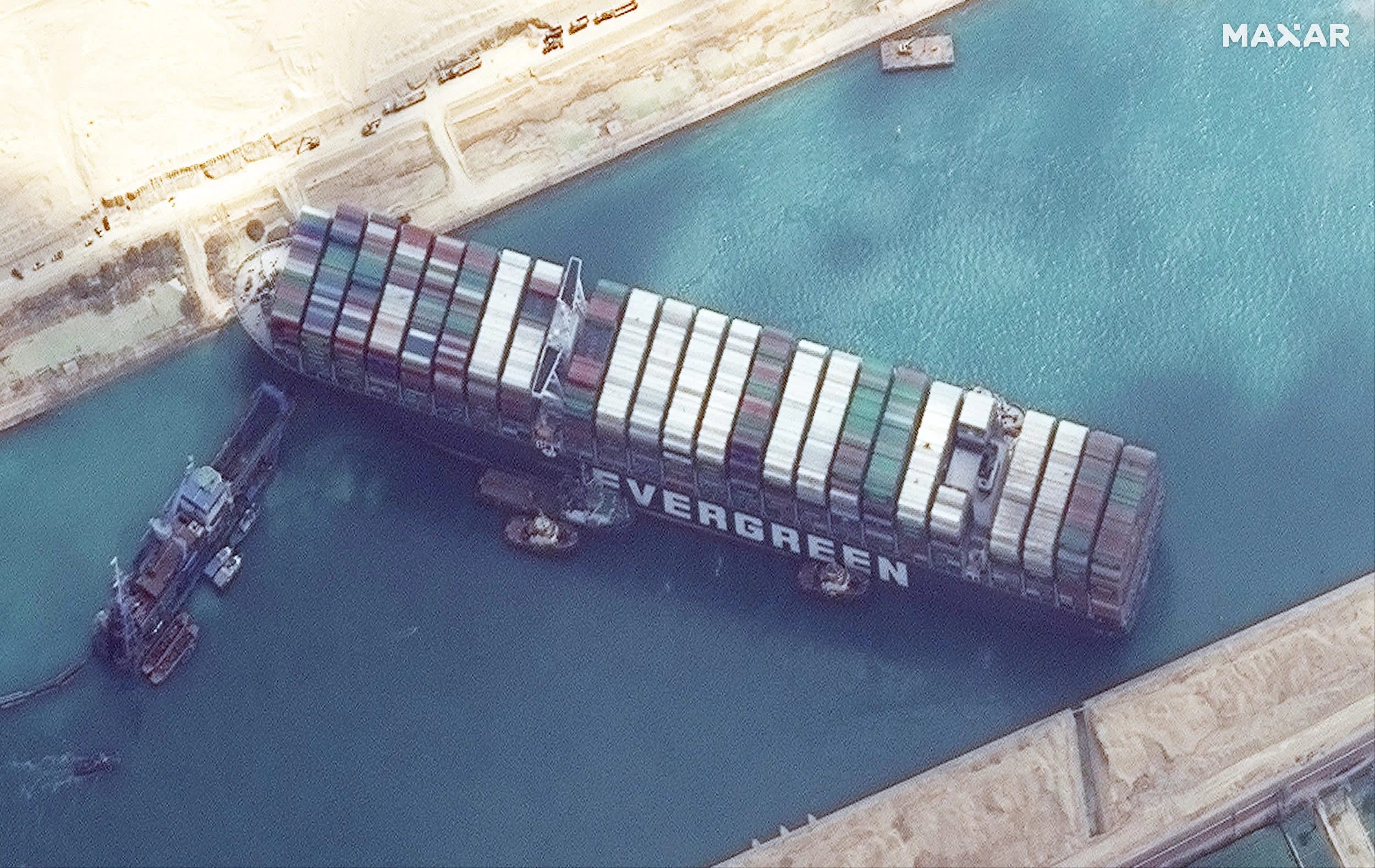
More recently, the canal’s vulnerability became visible in March 2021 when a container ship ran blocked the passage for six days. The blockage halted an estimated $9-10 billion in trade per day. Oil prices spiked. Shipping companies faced agonizing decisions about whether to wait or reroute around Africa, adding two weeks to journey times. The incident revealed how fragile global supply chains can be and how much modern commerce depends on the smooth functioning of a relatively small number of critical passages.
Egypt has invested heavily in expanding the canal’s capacity, including adding a parallel channel in some sections. But the fundamental geography remains constraining.
Control of the Suez Canal has been a cornerstone of Egyptian geopolitical leverage. The canal generates significant revenue - roughly $7-8 billion annually in transit fees and gives Egypt influence over trade flows between Europe, Asia, and the Middle East. It also makes Egypt strategically important to Western powers concerned about maintaining open shipping lanes.
The Panama Canal: Connecting Two Oceans


Like Suez, the Panama Canal is a human-made passage that transformed global shipping. Completed by the United States in 1914 after a failed French attempt, the canal eliminated the need for ships to navigate around the southern tip of South America, cutting roughly 8,000 miles off the journey between the Atlantic and Pacific oceans.
The canal’s impact on trade patterns was immediate. It made West Coast ports in the United States far more accessible to European trade. It shifted shipping routes throughout the Americas. And it gave the United States significant control over a critical piece of global maritime infrastructure.
Today, approximately 6% of world trade transits the Panama Canal. Unlike Suez, Panama uses locks to raise ships over the continental divide—vessels are lifted 85 feet above sea level in a series of chambers before descending on the other side. This system is more complex than a sea-level canal but allows the passage to cross otherwise impassable terrain.
The canal’s design creates a unique constraint: size. Ships are literally built to fit through Panama’s locks. The term “Panamax” refers to the maximum dimensions a ship can have and still transit the canal. For decades, this limitation shaped the global shipping fleet. Even after expansion in 2016, which allowed larger “New Panamax” vessels, many modern mega-container ships are too large to transit.
Another critical constraint is water. The canal depends on freshwater from Gatun Lake to operate its lock system. Climate change and regional droughts have occasionally reduced the canal’s capacity, forcing authorities to limit the number and size of ships that can transit. In 2023 and 2024, severe drought forced significant restrictions, demonstrating how even human-made infrastructure remains vulnerable to environmental conditions.
Control of the Panama Canal has been a source of geopolitical tension for over a century. The United States built, operated, and militarily protected the canal until 1999, when full control was transferred to Panama under treaties signed by President Jimmy Carter. This transfer marked a significant shift in US-Latin American relations and in America’s approach to controlling strategic infrastructure.
China’s growing economic presence near the canal has raised concerns in the US. A Hong Kong based company manages ports on both ends of the canal. China has invested in railways and ports in Panama. While Panama maintains operational control, the infrastructure surrounding the canal is increasingly tied to Chinese investment, creating a new dimension to great power competition over this strategic chokepoint.
The Bab el-Mandeb: The Gateway Between Oceans
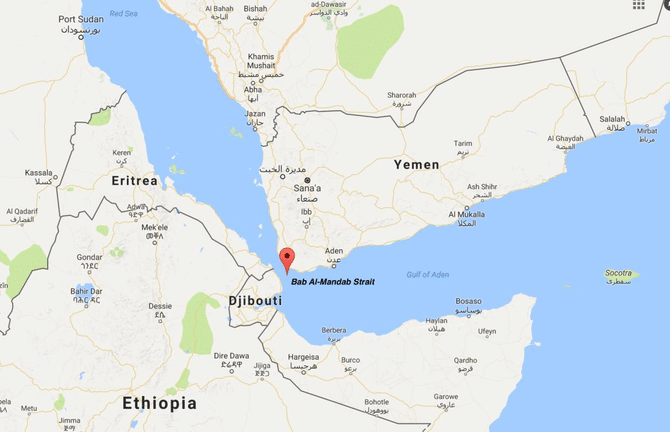
At the southern end of the Red Sea, where it meets the Gulf of Aden, sits another critical chokepoint: the Bab el-Mandeb strait. The name means “Gate of Tears” in Arabic, a reference to the dangers of navigating these waters.
The strait is only 18 miles wide at its narrowest point, with the navigable channel even smaller. All shipping between the Suez Canal and the Indian Ocean must pass through Bab el-Mandeb. This means that closure of this strait would effectively cut off the Suez Canal from global commerce, as ships would have no way to reach the canal from the south.
Approximately 10% of global oil trade passes through Bab el-Mandeb, along with substantial container shipping moving between Europe and Asia. The strait connects the Mediterranean through Suez with the Indian Ocean, making it essential to global trade flows.
The geography of Bab el-Mandeb creates particular strategic complexity. The strait is divided by Perim Island into two channels. Yemen controls the Arabian side of the strait, while Djibouti and Eritrea control the African side. This geography has turned Bab el-Mandeb into a focal point of regional competition and military positioning.
Djibouti, a small nation on the African coast, has become one of the world’s most militarized places precisely because of its position along this strait. The United States maintains its only permanent military base in Africa in Djibouti. China opened its first overseas military base there in 2017. France, Italy, Japan, and other nations maintain military presences. The competition for influence in Djibouti is effectively competition for positioning around Bab el-Mandeb.
Yemen’s ongoing civil war has made the strait even more vulnerable. Houthi rebels, backed by Iran, have attacked shipping in the Red Sea and threatened to close Bab el-Mandeb. In recent years, commercial vessels have been targeted with missiles and drones. The Saudi-led coalition fighting in Yemen has partly justified its intervention by citing the need to prevent Iranian-backed forces from controlling territory adjacent to this critical waterway.
The strait’s vulnerability has led some shipping companies to consider alternatives. Insurance costs for transiting the Red Sea have periodically spiked during periods of conflict. Some vessels have chosen to reroute around Africa rather than risk passage through Bab el-Mandeb and the Red Sea. But for most trade, particularly oil, there is no practical alternative that doesn’t add significant time and cost.
The Turkish Straits: Controlling Access to the Black Sea
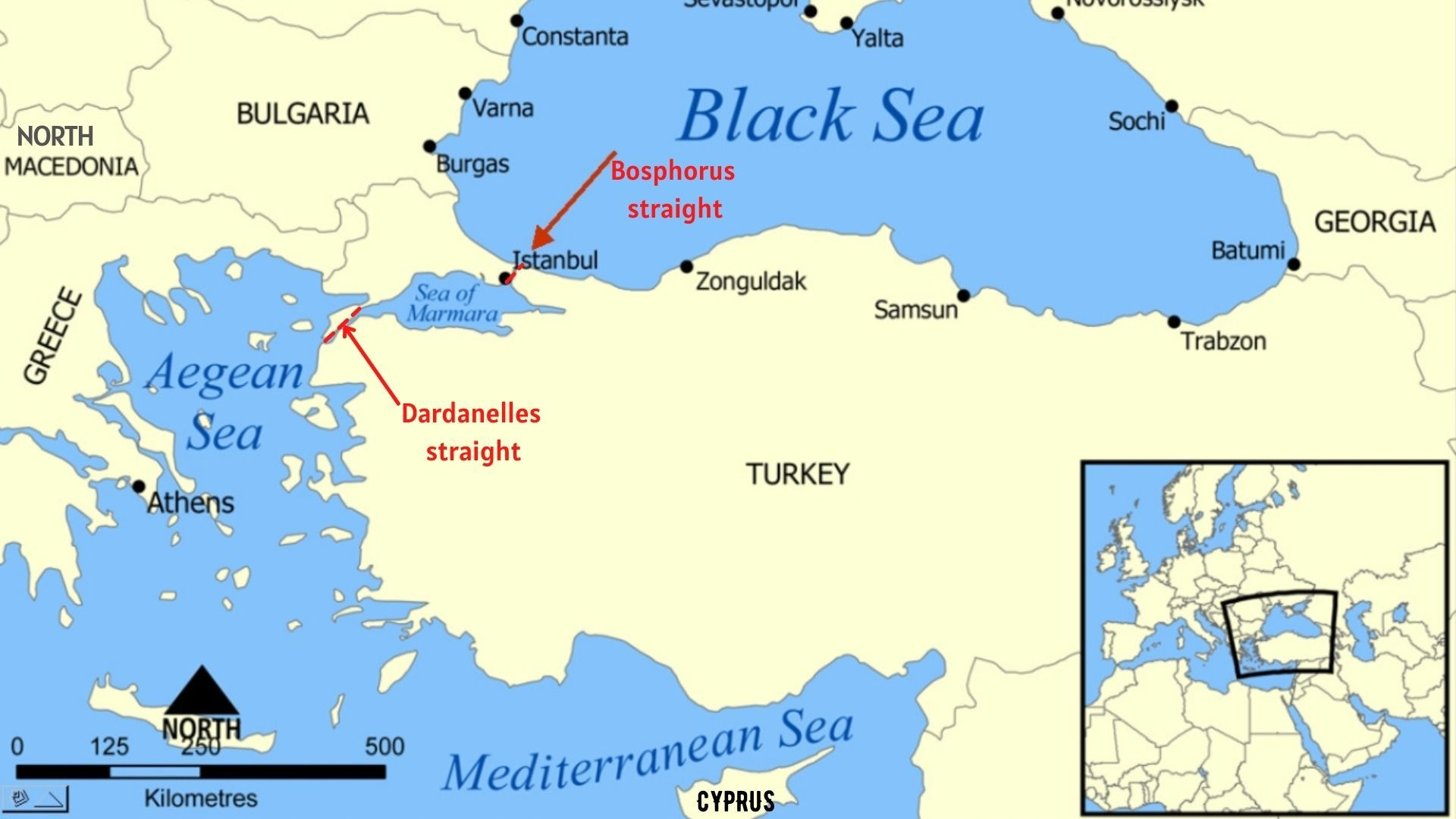
The Turkish Straits comprising the Bosphorus, the Sea of Marmara, and the Dardanelles form the only passage between the Black Sea and the Mediterranean. This geography has made control of these waterways strategically critical for thousands of years.
Today, the straits matter primarily for energy and grain shipments. Russian and Central Asian oil and gas reach global markets through the Black Sea and these passages. Ukrainian grain exports, when not blocked by conflict, flow through the same route. The straits are also critical for the military balance in the region, as they control naval access to the Black Sea.
Turkey’s control of the straits gives it unique leverage. Under the Montreux Convention of 1936, Turkey has the right to regulate passage through the straits, particularly for military vessels. During peacetime, commercial vessels have freedom of navigation, but Turkey can restrict warships and impose limits during conflicts.
This control has geopolitical implications. Russia’s Black Sea Fleet is effectively bottled up - it can access the Mediterranean only through Turkish waters. NATO naval vessels can enter the Black Sea only with Turkish permission and subject to tonnage and duration limits. Turkey’s position makes it an essential power broker in regional conflicts and gives it influence far beyond what the country’s size might suggest.
The Bosphorus, which runs through Istanbul, is also one of the world’s most challenging waterways to navigate. The strait is narrow, with sharp turns and strong currents. Approximately 48,000 vessels transit annually, many of them large tankers carrying hazardous materials through the heart of a city of 16 million people. The risk of accident or environmental disaster is constantly present.
Historically, control of the Turkish Straits has been contested repeatedly. The Ottoman Empire’s dominance of the straits was a source of power for centuries. Russian strategic thinking has long been shaped by the desire for warm-water ports with unimpeded access to the Mediterranean, something the straits prevent. The Crimean War, World War I, and numerous other conflicts involved struggles over control of or access through these waterways.
The Danish Straits and the Northern Sea Route
Two other passages deserve mention for their strategic importance and potential future significance.
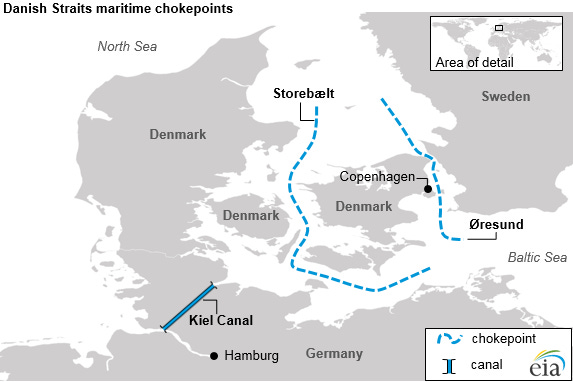
The Danish Straits - the narrow passages between Denmark and Sweden that connect the Baltic Sea to the North Sea, which are critical for Northern European trade and energy security. Russian energy exports, Baltic shipping, and commercial access to major Northern European ports all depend on these straits. NATO’s concern about controlling these passages has shaped the alliance’s strategic posture in Northern Europe, particularly following Russia’s invasion of Ukraine.
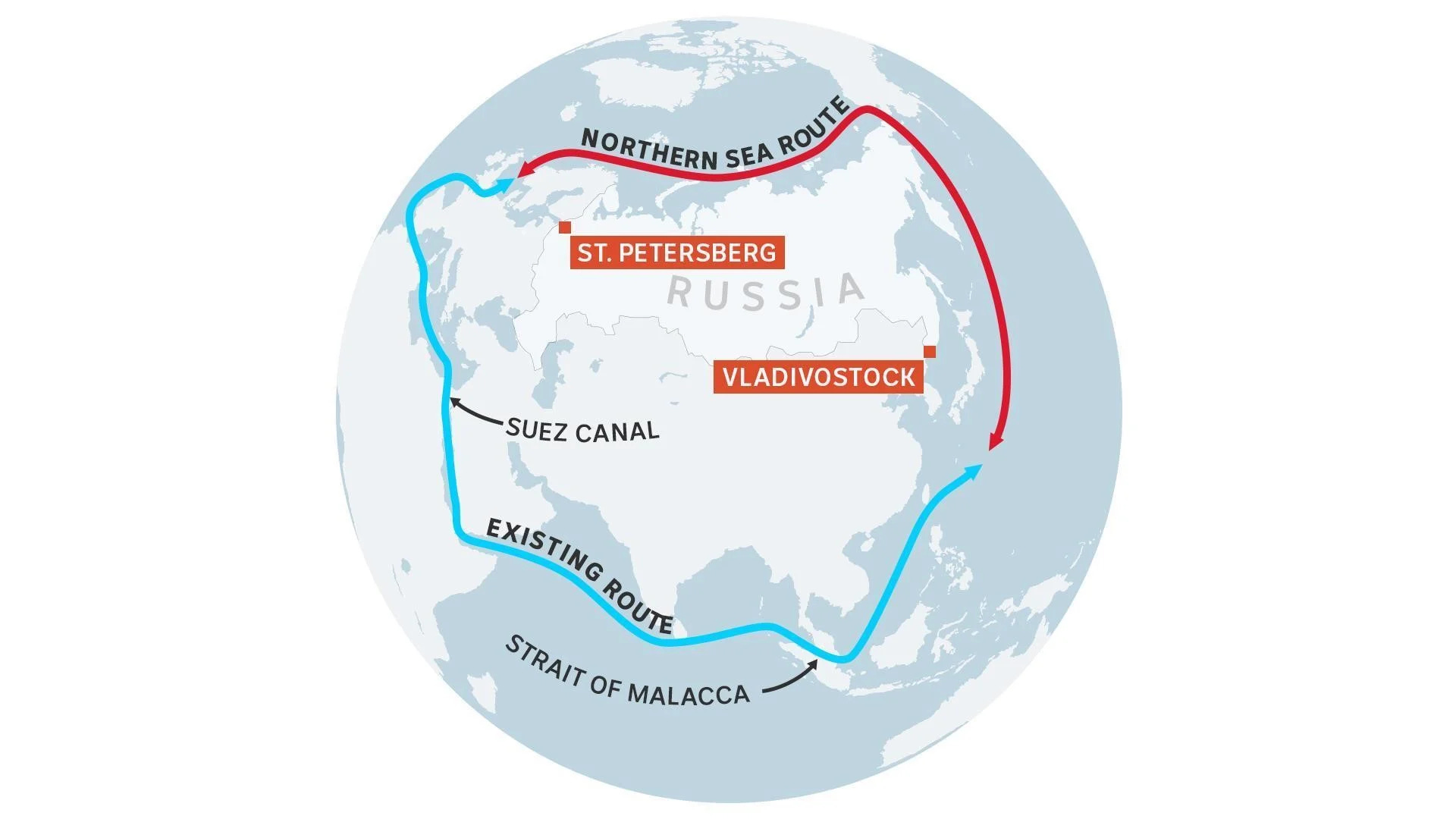
The Northern Sea Route, which runs along Russia’s Arctic coast, is not currently a major commercial passage but could become increasingly important. Climate change is making Arctic waters navigable for longer periods each year. If the route becomes reliably passable, it could offer a dramatically shorter passage between Europe and Asia than either the Suez or Panama canals.
Russia has invested heavily in Arctic infrastructure, including icebreakers, ports, and military bases along the route. Moscow has made clear that it considers the Northern Sea Route to be under Russian jurisdiction and has imposed fees and regulations on foreign vessels. If the route becomes commercially viable, control over this passage could shift global shipping patterns and create new geopolitical tensions in the Arctic.
The Pattern: Chokepoints Shape Power
Throughout history, control of maritime chokepoints has been a source of geopolitical power. The Roman Empire’s dominance of the Mediterranean allowed it to control trade and project military force. Venice grew wealthy controlling trade through the Adriatic. The Ottoman Empire’s power derived partly from its control of the straits connecting the Black Sea and Mediterranean.
The British Empire’s global dominance in the 19th and early 20th centuries rested significantly on its control of maritime chokepoints. Britain controlled Gibraltar, Suez, Singapore, and the Cape of Good Hope, effectively dominating every major route connecting the world’s oceans. This control allowed Britain to protect its own commerce while threatening adversaries’ trade. The Royal Navy’s ability to blockade these chokepoints was a strategic advantage that few powers could match.
The United States inherited much of this strategic position after World War II. American naval dominance, including control or influence over most major maritime chokepoints, has been a foundation of U.S. global power for decades. The ability to ensure freedom of navigation or threaten to close passages to adversaries, gives the United States leverage in conflicts far from American shores.
But this dominance is increasingly contested. China’s Belt and Road Initiative involves significant investment in ports and infrastructure near many of these chokepoints. China has established a military base in Djibouti overlooking Bab el-Mandeb, developed port facilities in Pakistan near the Strait of Hormuz, and invested in infrastructure throughout Southeast Asia near the Strait of Malacca. Russia maintains naval presence in Syria, giving it influence in the eastern Mediterranean and access to the Suez Canal route.
The pattern suggests that as global power becomes more multipolar, competition over control of these critical passages will intensify. Nations dependent on trade through chokepoints they don’t control are building redundancy through alternative routes, military capabilities to protect shipping, and political relationships with countries that control key passages.
Vulnerability in an Interconnected World
The concentration of global trade through a handful of narrow passages creates systemic vulnerability. A conflict, accident, or natural disaster at any major chokepoint can disrupt commerce worldwide within hours. The Ever Given incident in the Suez Canal demonstrated this clearly. The Houthi attacks on shipping in the Red Sea have forced some carriers to reroute around Africa, adding cost and time to supply chains.
Climate change may exacerbate some vulnerabilities while creating new ones. Rising sea levels could affect canal operations. Changing weather patterns might make some routes less predictable. The opening of Arctic passages could create new chokepoints in regions with little existing governance or security infrastructure.
The rise of new technologies also introduces uncertainty. Autonomous ships, if they become widespread, might navigate chokepoints differently than crewed vessels. Hypersonic missiles and other advanced weapons could make traditional naval protection of shipping lanes more difficult. Cyber attacks on canal control systems or port infrastructure could disrupt chokepoints without physical blockades.
But perhaps the most significant change is geopolitical. For decades, there has been broad international consensus on freedom of navigation and the importance of keeping chokepoints open. This consensus was enforced primarily by US naval power and supported by most trading nations who benefited from stable, secure shipping routes.
That consensus is fraying. Great power competition has returned. Regional conflicts are intensifying in areas adjacent to critical waterways. Nations are increasingly willing to use control of shipping routes as leverage in conflicts. The risk of chokepoints becoming flashpoints in broader geopolitical struggles is higher now than at any point since the Cold War.
Closing thoughts
The Strait of Hormuz, the Strait of Malacca, the Suez Canal, and the handful of other passages through which most global trade flows are some of the most strategically important locations on Earth. Control over these chokepoints shapes everything from energy prices to military strategy to the balance of power between nations.
Understanding these passages helps explain patterns in global politics that might otherwise seem arbitrary. Why does the United States maintain such an extensive military presence in the Persian Gulf despite growing energy independence? The Strait of Hormuz. Why is China building artificial islands and militarizing atolls in the South China Sea? The Strait of Malacca and shipping lanes to Chinese ports. Why have multiple foreign powers established military bases in tiny Djibouti? The Bab el-Mandeb strait.
These chokepoints are where the abstract concept of globalization becomes intensely physical. Nearly every product shipped internationally passes through at least one of these narrow passages. The stability and security of these waterways directly affects prices, supply chains, and economic growth worldwide.
But they are also points of vulnerability in a system that depends on smooth functioning to operate at all. The closure of any major chokepoint, even temporarily, can cascade through global supply chains within days. In a world facing increasing geopolitical tension, climate uncertainty, and technological change, these passages are likely to become even more contested and critical.
The nations and powers that can secure these chokepoints, through military force, political influence, or economic leverage, will shape the flow of global commerce and the distribution of economic and geopolitical power. History suggests that control of trade routes has always been a source of power. That hasn’t changed. What has changed is the scale of commerce flowing through these passages and the complexity of the global systems that depend on them.
The narrow passages that control global shipping are among the most important strategic territories in the modern world. Understanding them is essential to understanding how the global economy actually functions and where some of its greatest vulnerabilities lie.
Let us know what you think of this post in the comments section! We hope this piece helped illuminate the deeper forces behind a system many of us interact with, but rarely stop to examine. If it resonated, feel free to share it with others who enjoy thoughtful, long-form analysis.