
The World Is Rearming
How “Just in Case” Spending Becomes the New Baseline


TL;DR
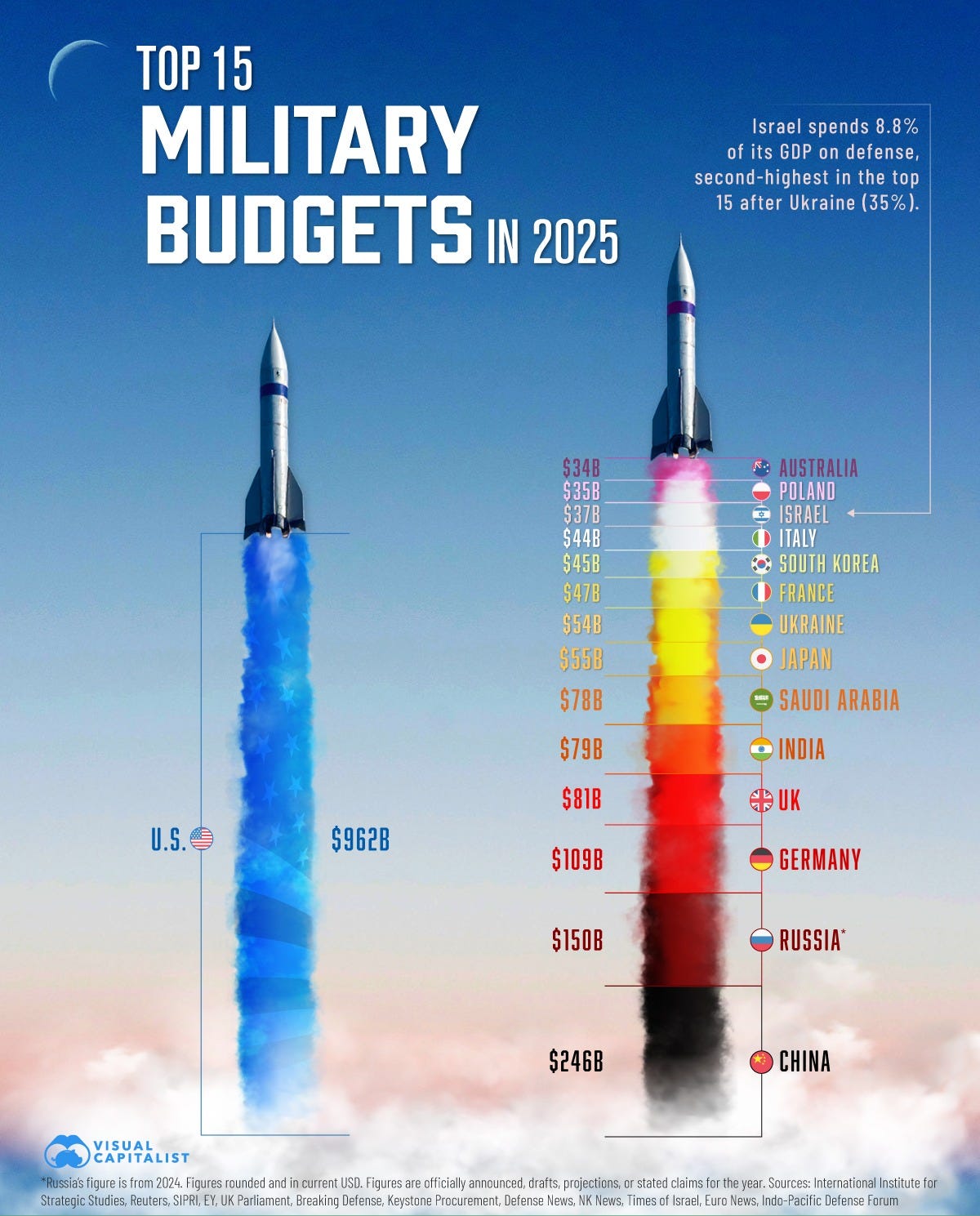
Defense spending is rising across Europe, the United States, and Asia. NATO is expanding. Military production lines are reopening. Governments are signing long term procurement contracts. No one is calling it an arms race, but history shows that arms races rarely begin with dramatic announcements. They begin as precaution. Over time, precaution becomes baseline.
The peace dividend is fading
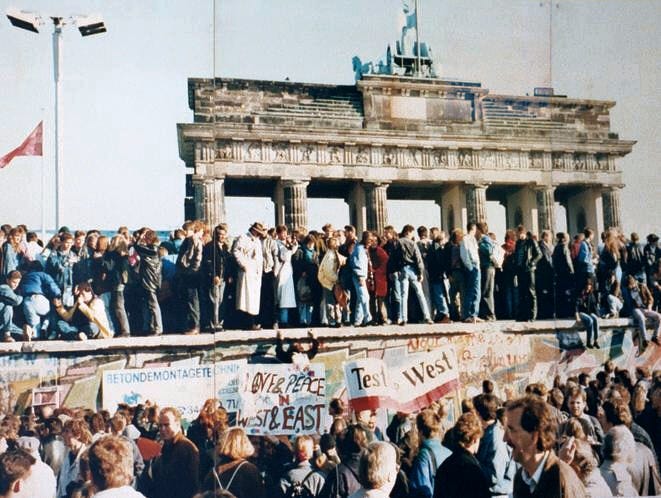
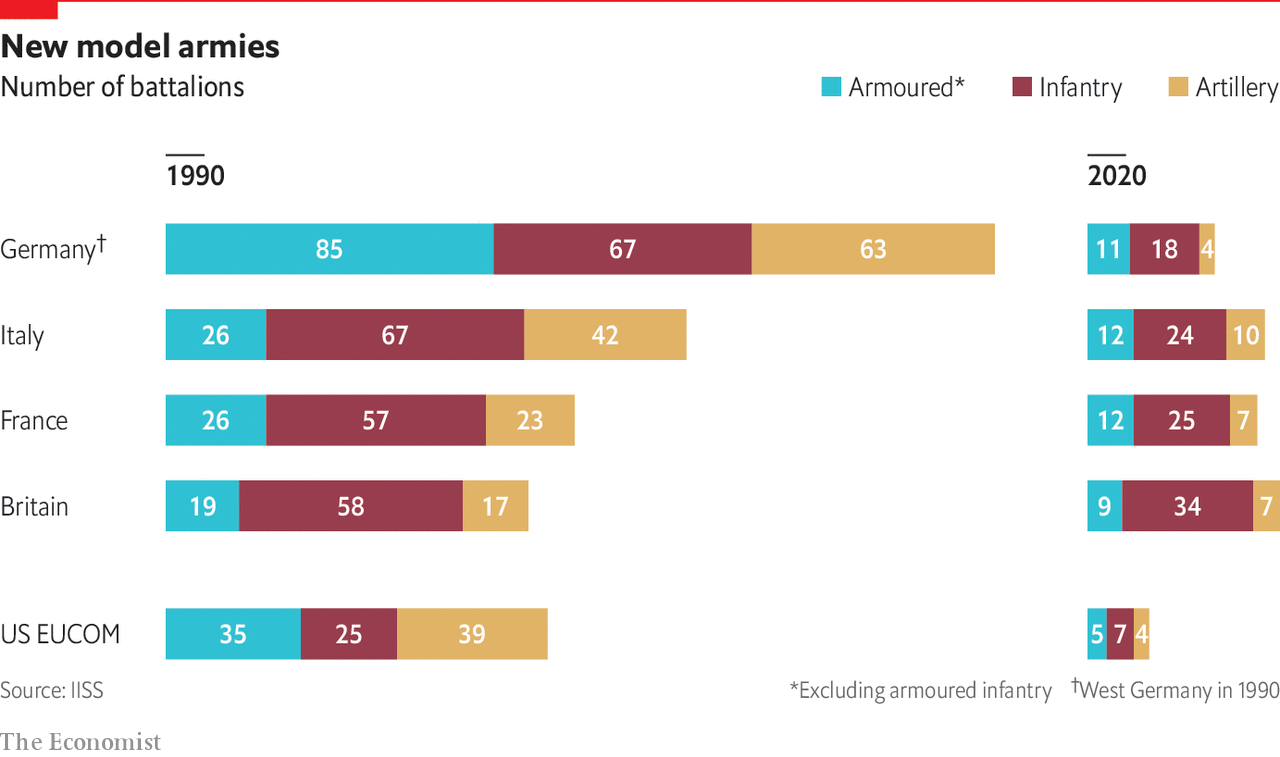
For roughly thirty years after the Cold War ended in 1991, most major economies behaved as if large scale war between major powers was unlikely. Military budgets shrank across Europe. Stockpiles were reduced. Defense industrial capacity was trimmed. The idea was simple. If geopolitical tension was lower, resources could be redirected toward growth, welfare, and globalization.
That period is clearly ending.
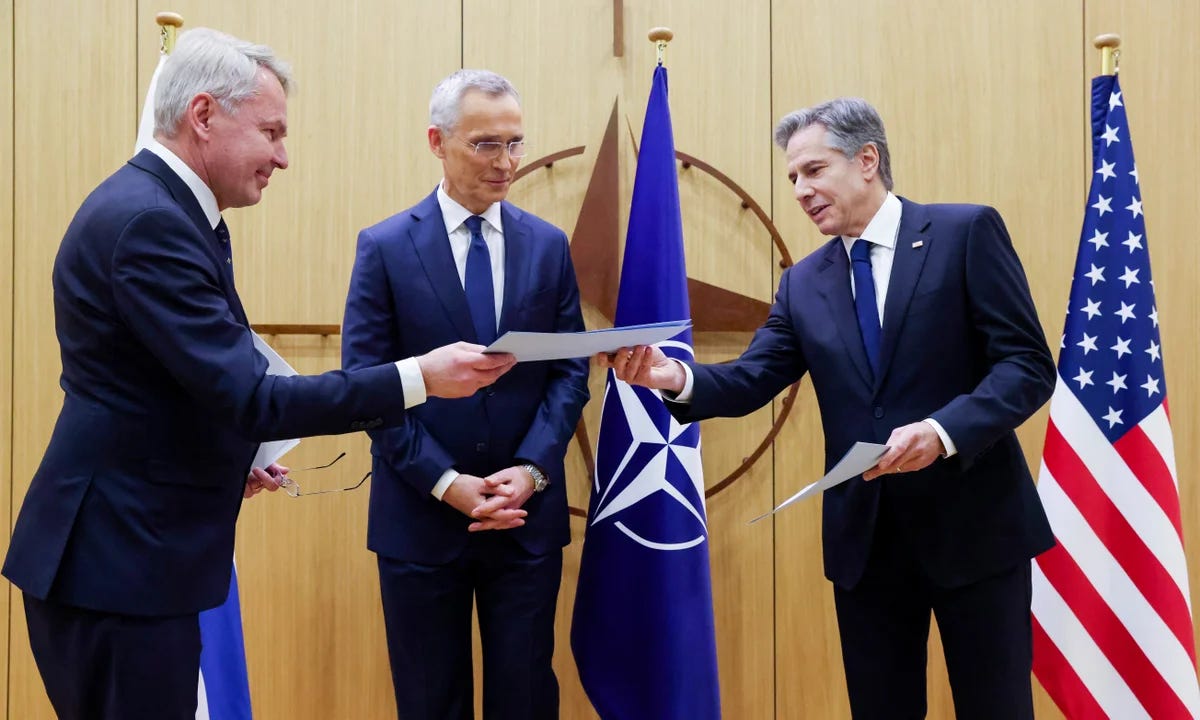
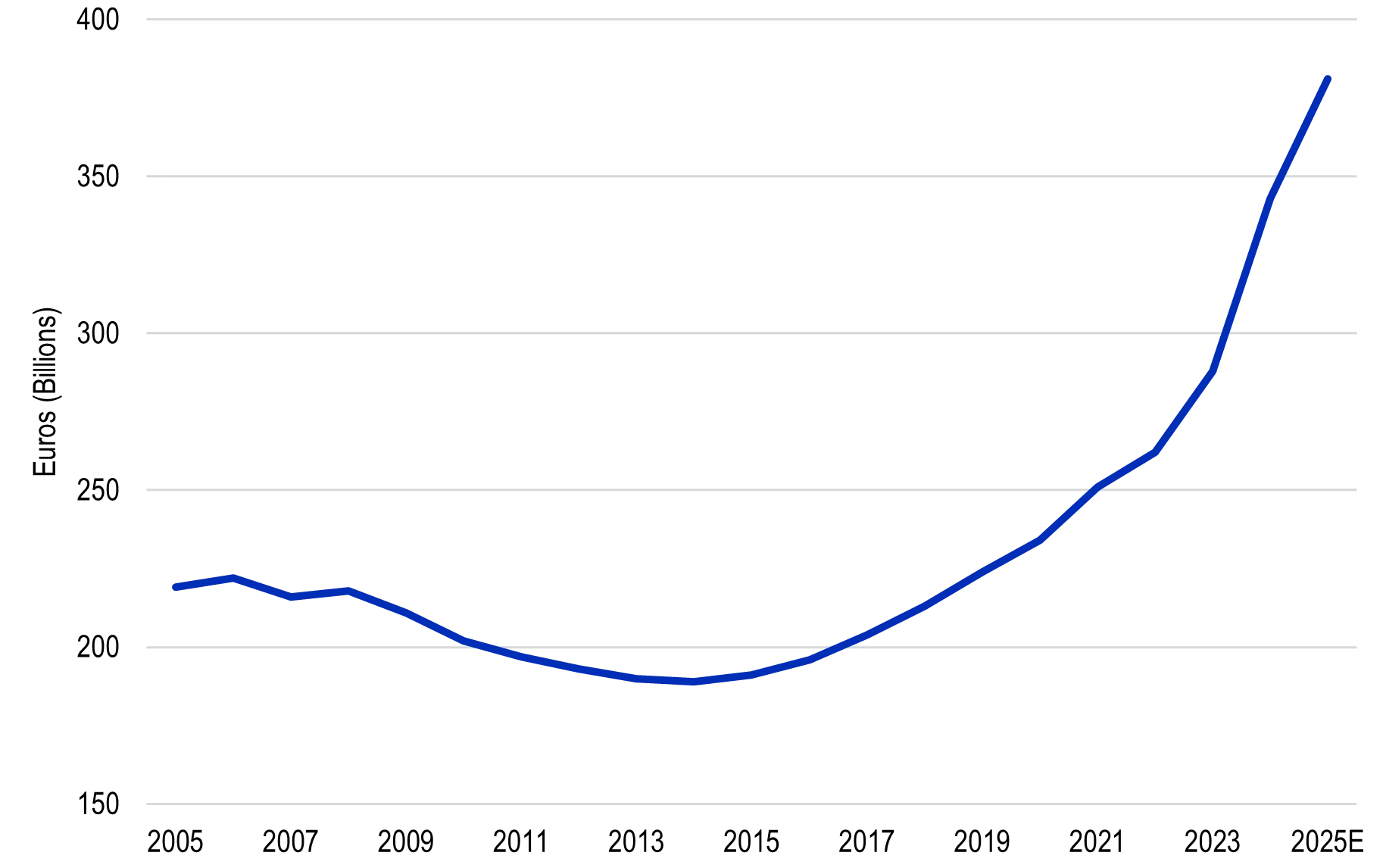
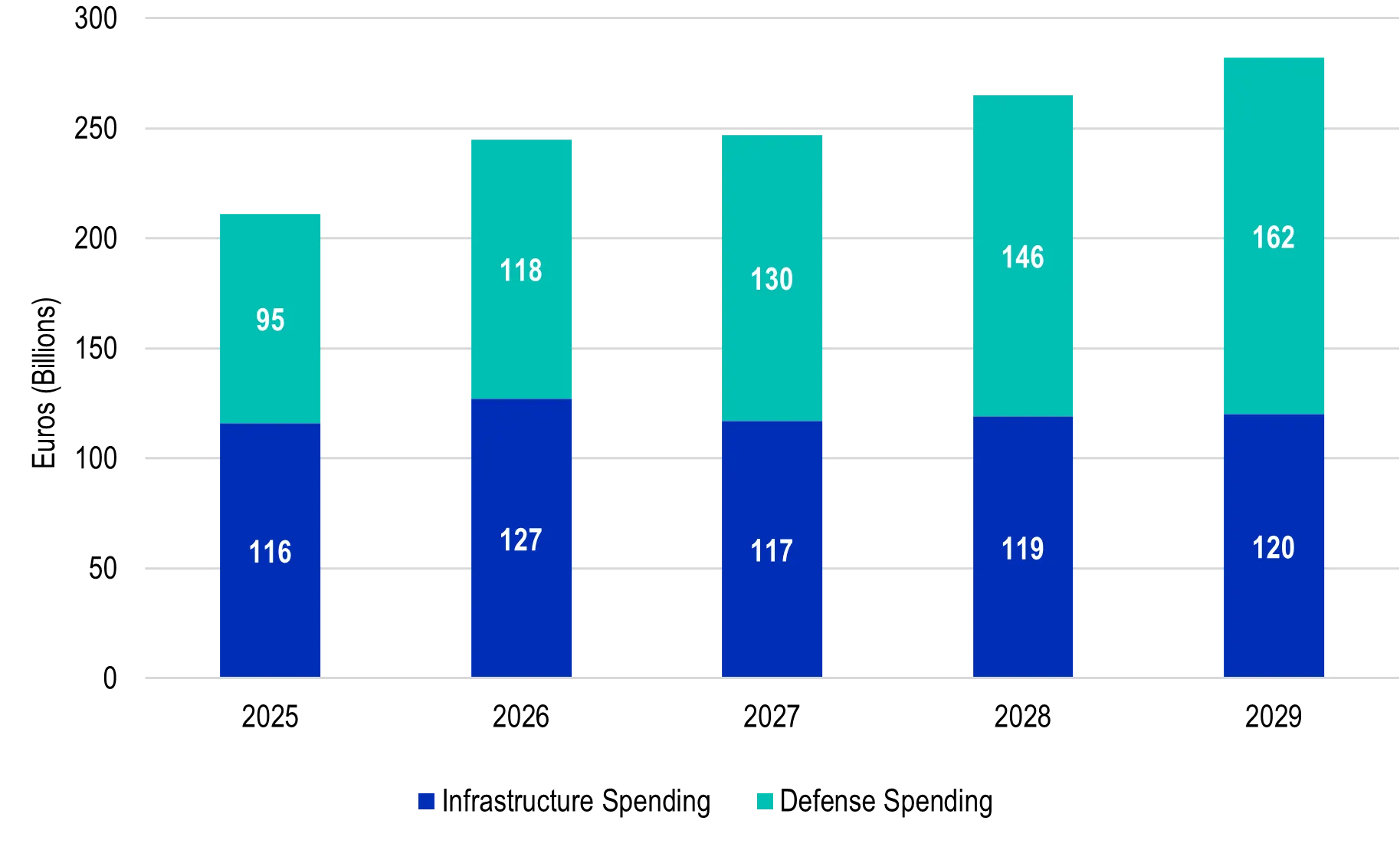
Germany created a €100 billion special defense fund and has committed to meeting NATO spending targets after years of underinvestment. Poland is targeting defense spending above four percent of GDP and rapidly expanding its armed forces. Finland and Sweden moved to join NATO, something that would have been politically unthinkable not long ago. Across Europe, ammunition production is being scaled up because existing stockpiles were not built for sustained conflict.
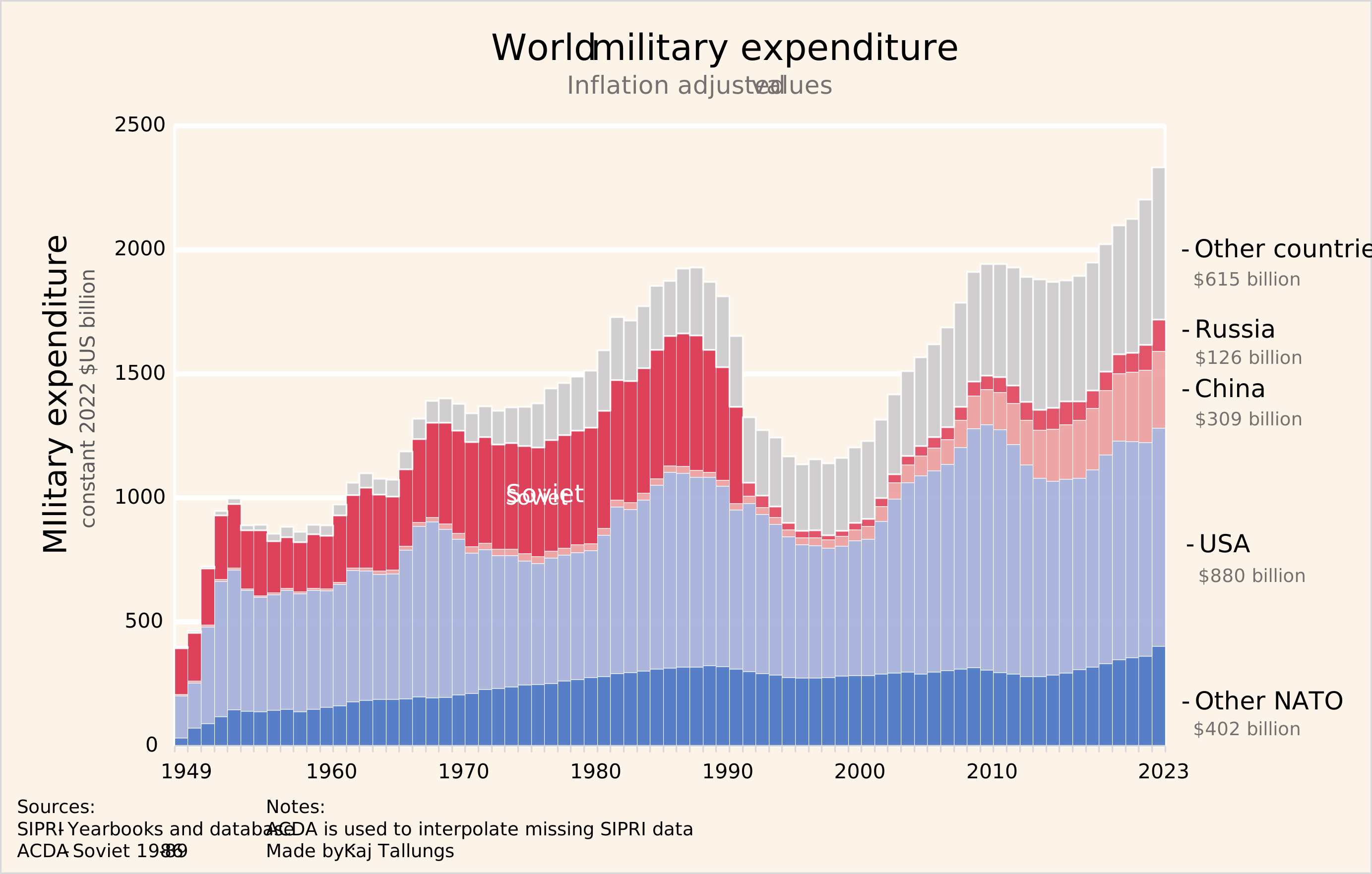
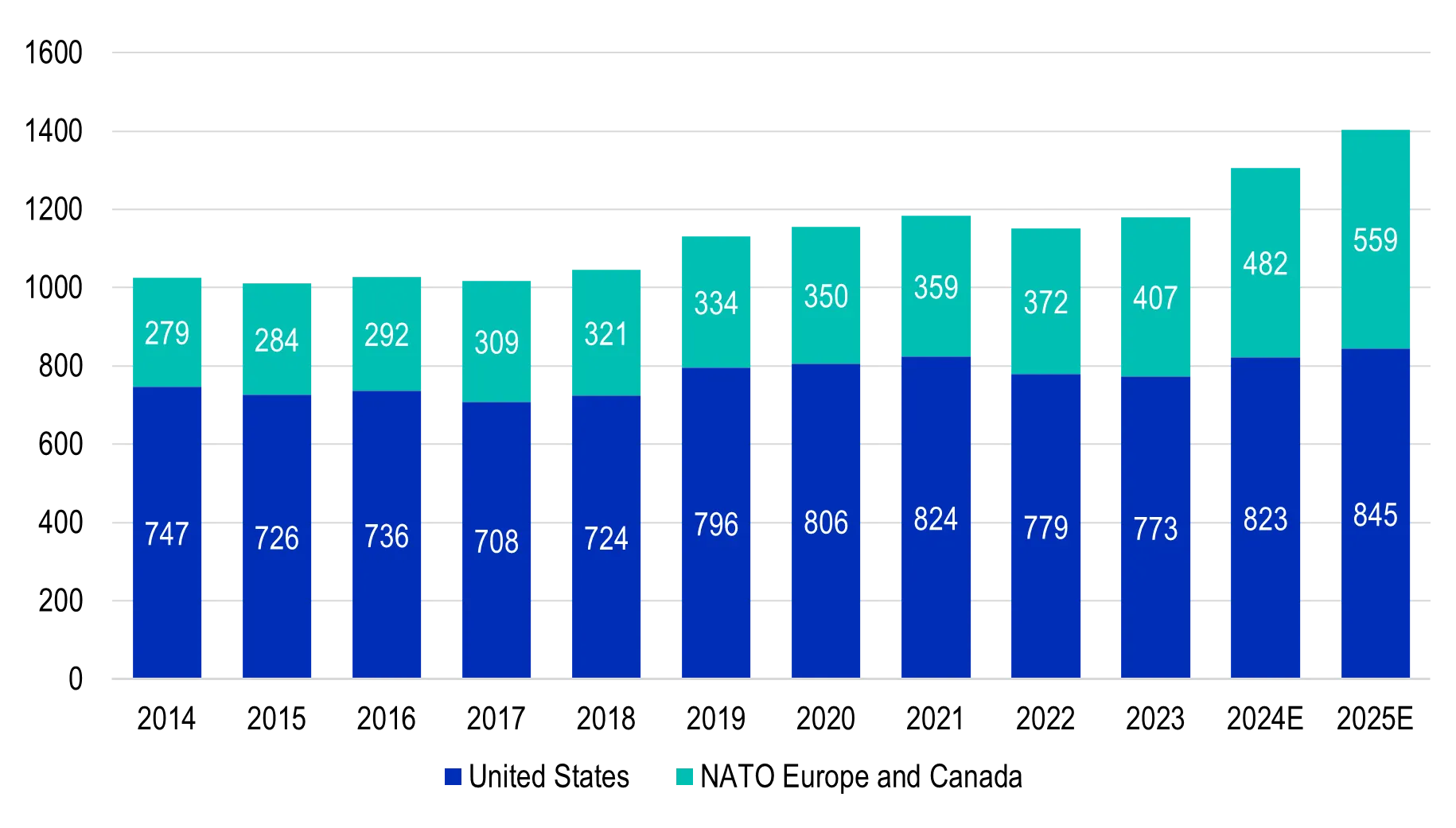
In the United States, defense spending is above $800 billion annually and trending higher. Congress has approved multi year procurement contracts for missile systems, fighter jets, submarines, and advanced munitions. Companies like Lockheed Martin are increasing production of the F 35 fighter jet. RTX and Northrop Grumman are expanding missile manufacturing capacity. The Pentagon is investing heavily in replenishing artillery and precision munitions while also funding next generation technologies such as hypersonics and autonomous systems.
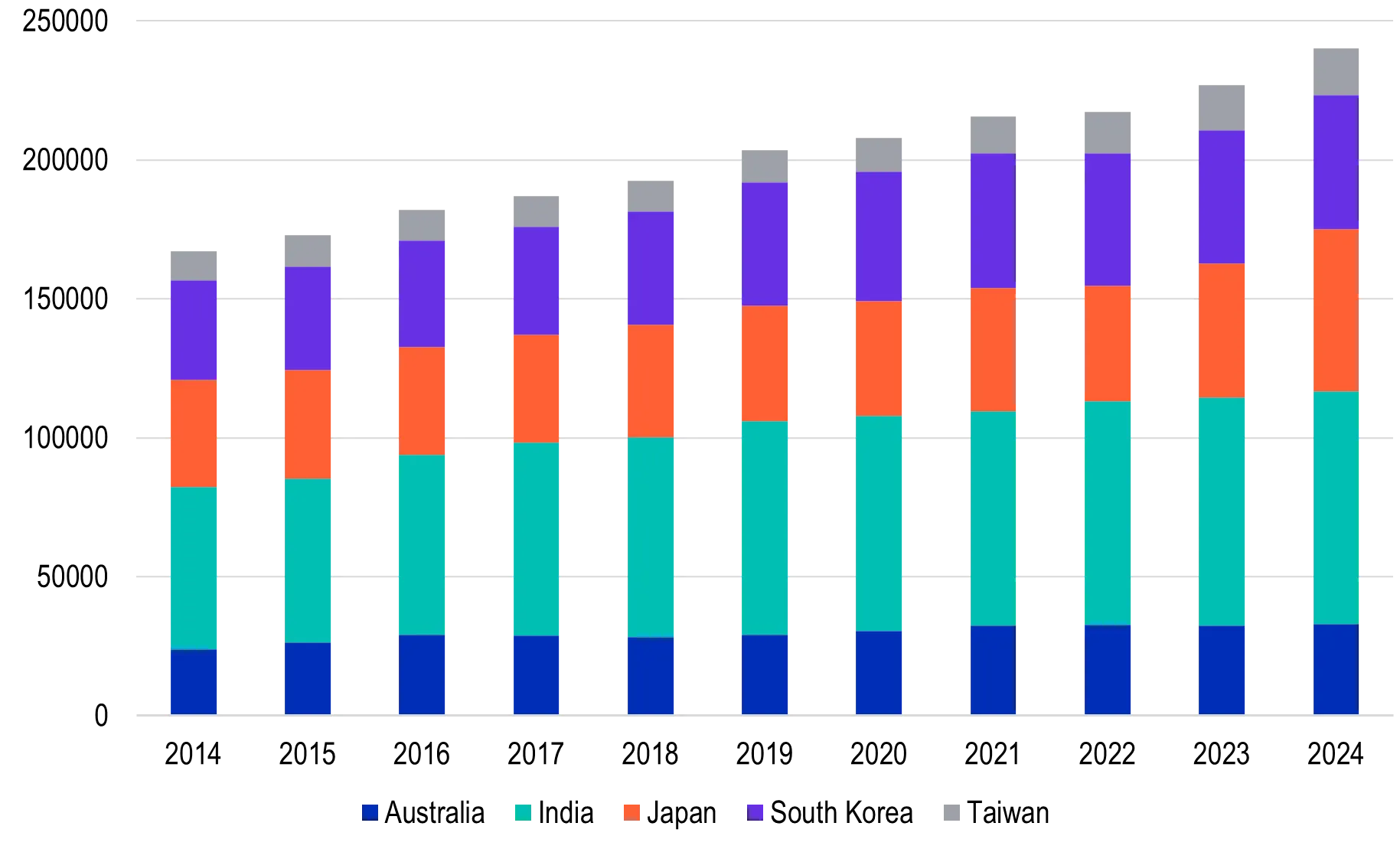
In the Indo Pacific, Japan has committed to doubling defense spending over several years and is revising long standing military posture norms. Australia is investing in nuclear powered submarine capability under new security arrangements. Naval deployments across the region have become more frequent and more strategically coordinated.
No government is declaring an arms race. The language is about deterrence and readiness. But the direction is consistent.
Rearmament rarely begins loudly
History is useful here because it shows how these cycles unfold.
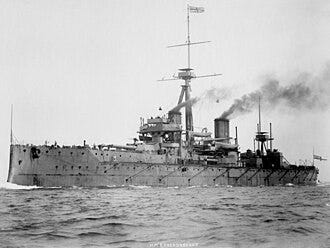
Before the First World War, European powers did not openly prepare for catastrophe. In the late 19th and early 20th centuries, Britain and Germany increased naval production incrementally. Each government justified spending as necessary to maintain balance and national security. The famous naval rivalry led to the construction of increasingly powerful battleships. What seemed like rational competition gradually created a rigid system in which mobilization timetables and military plans became difficult to slow down once a crisis began. By 1914, Europe was not necessarily seeking war, but it had built the machinery that made escalation easier.
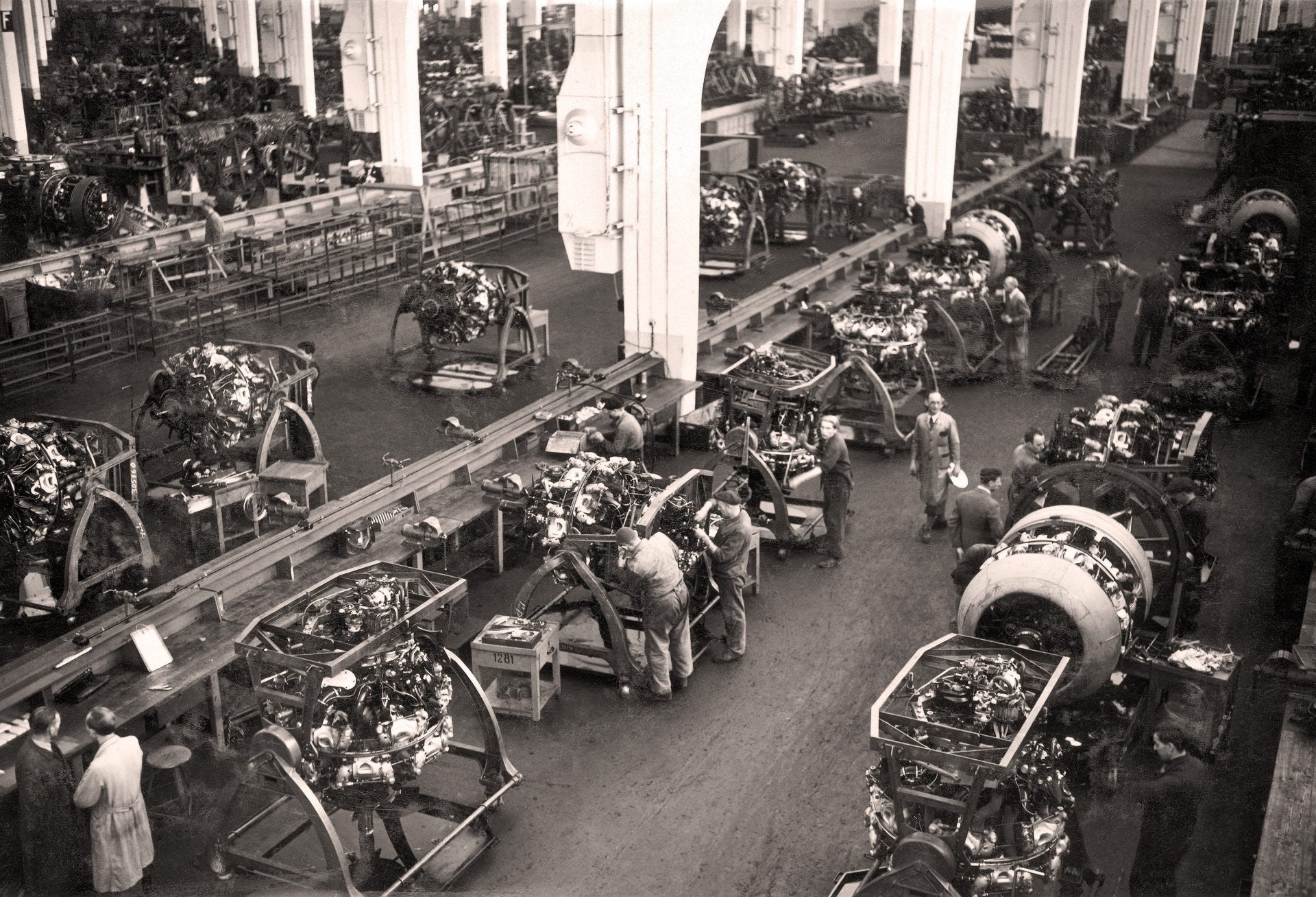
In the 1930s, rearmament returned under similar logic. After the devastation of World War 1, many countries had reduced military capacity. As instability rose in Europe and Asia, governments began rebuilding forces. Germany dramatically expanded its military under the banner of restoring national strength. Britain and France increased defense spending in response. Industrial capacity was retooled. By the end of the decade, war production systems were already embedded before conflict formally erupted.
The early Cold War followed a related pattern. After 1945, defense expansions in the United States and the Soviet Union were framed as necessary responses to an uncertain security environment. What began as precaution hardened into decades of sustained military spending and nuclear competition. The system did not start as a declared arms race. It evolved into one as each side adjusted to the other’s moves.
In each case, the important point is this. Rearmament did not begin with dramatic speeches. It began with budgets, procurement contracts, and industrial expansion justified as temporary or defensive.
What is different this time
Today’s environment has similarities but also differences. Modern economies are deeply integrated. Supply chains are global. Financial systems are interconnected. Yet despite that integration, security concerns are overtaking efficiency.
Governments are not just increasing spending. They are rebuilding defense industrial bases that had been allowed to shrink. Ammunition production lines that once operated at minimal capacity are expanding. Shipbuilding programs are being stretched out over decades. Defense procurement is shifting from short term replacement toward long term expansion.
The United States is investing not only in traditional platforms but also in advanced technologies such as artificial intelligence, cyber capabilities, and space based systems. Europe is coordinating joint procurement programs to reduce fragmentation and increase capacity. Asian powers are revising constitutional or policy constraints that limited military posture in the past.
This suggests that the expectation of prolonged instability is becoming embedded in policy planning. When governments sign contracts that extend ten or twenty years, they are signaling that higher defense spending is not a temporary spike. It is becoming structural.
Why this matters beyond the military
Rearmament changes more than force levels. It reshapes economic priorities. Defense contracts influence industrial policy. Skilled labor shifts toward military production. Budget allocations compete with domestic programs.
Historically, once higher military baselines are set, they are difficult to reverse. Even if conflict does not materialize, systems adapt to a more security oriented environment. Alliances deepen. Strategic competition becomes normalized.
It is important to note that rearmament does not guarantee war. The pre 1914 period also saw long stretches of peace despite military buildup. The Cold War remained cold between major powers. But higher spending and expanded military capacity do make systems more rigid and less flexible during crises.
Trust erodes gradually. Once that erosion reaches a certain point, precaution becomes permanent.
The quiet shift
We are not seeing dramatic declarations of a new global arms race. What we are seeing is a steady normalization of higher defense spending, stronger alliances, and expanded military production.
That is how structural shifts begin. They begin with governments saying this is necessary for now. They continue when temporary measures become baseline. By the time everyone agrees that the world has entered a new security era, the budgets, factories, and alliances are already in place.
Rearmament rarely announces itself clearly. It embeds itself in policy, contracts, and expectations. And by the time it feels permanent, it usually is.
We are quietly preparing for something we say will never happen
There is something deeply unsettling about how routine this has become.
Governments are expanding ammunition production to levels not seen in decades. Defense contractors are hiring aggressively. Military recruitment campaigns are intensifying. War games are being conducted more frequently and with more realism. Entire supply chains are being redesigned to sustain prolonged conflict. And it is all being discussed in the language of prudence and responsibility.
If you strip away the bureaucratic tone, the implication is stark. We are building the capacity to fight large scale war between advanced states again.
Factories do not expand production of artillery shells because leaders expect calm decades ahead. Multi year contracts for missiles are not signed because everyone believes tensions will fade next year. Industrial bases are not rebuilt for scenarios policymakers consider impossible.
We say conflict at scale would be catastrophic and irrational. We say nuclear deterrence makes major war unthinkable. And yet we are steadily investing in the ability to wage it. That contradiction is the uncomfortable part.
The world is behaving as though prolonged instability is plausible, even while publicly insisting it is unlikely. And history shows that when preparation becomes normal, imagination adjusts. The unthinkable becomes thinkable. The improbable becomes manageable. Escalation feels less like rupture and more like continuation.
The most dangerous shifts are not loud. They are the ones that make extraordinary capacity feel ordinary. And right now, we are making extraordinary capacity feel normal.
Closing thoughts
It is worth being clear about what this is and what it is not. Higher defense spending does not automatically mean major war is around the corner. History shows that periods of rearmament can coexist with long stretches of uneasy peace. But rearmament does signal something important. It signals that governments expect instability to persist. And when that expectation becomes widespread, it changes how the system behaves.
For the past three decades, globalization and economic integration were treated as stabilizing forces. Efficiency was prioritized over redundancy. Defense was something to be managed, not expanded. Today, the balance is shifting. Security is taking precedence over efficiency. Resilience is being valued over cost minimization. Alliances are becoming more operational and less symbolic.
The deeper question is not whether we are in an arms race. It is whether we are entering a longer period where preparation for conflict becomes the organizing principle of policy. When countries plan for instability long enough, instability stops feeling temporary. It becomes the baseline assumption.
That shift is subtle. It does not arrive with a single speech or headline. It arrives with budget approvals, factory expansions, and multi year contracts. And once those are in place, reversing course becomes far more difficult than starting.
Let us know what you think of this post in the comments section! We hope this piece helped illuminate the deeper forces behind a system many of us interact with, but rarely stop to examine. If it resonated, feel free to share it with others who enjoy thoughtful, long-form analysis.